Cancer Deaths in Scotland Are Falling and Early Action Is Making the Difference
Recent figures reported by the BBC show a welcome and important trend: cancer death rates in Scotland are declining. Over the past decade, the risk of dying from cancer has fallen by around 11%, reaching its lowest recorded level.
At the same time, the data also tells a more nuanced story. While the relative risk of dying from cancer has fallen, the absolute number of cancer deaths has increased slightly by around 2.1% over the past ten years. The primary reason is demographic. Scotland, like many countries, has an ageing population, and cancer risk rises significantly with age, with more than 60% of cancers diagnosed in people aged over 65.
Taken together, these findings underline a critical truth. Progress against cancer is possible, but it requires sustained investment not only in treatment, but in prevention and early detection.
Earlier diagnosis saves lives
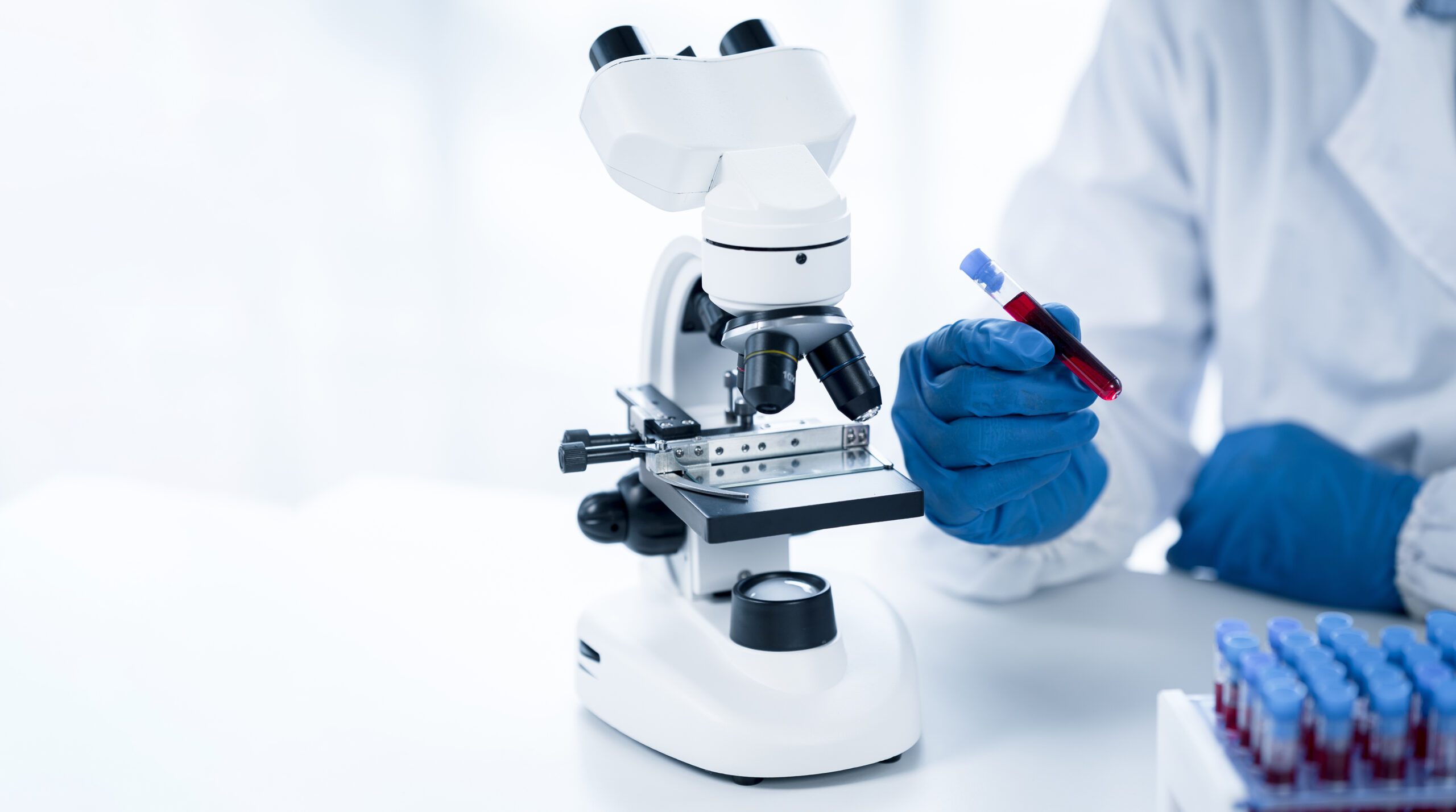
One of the most powerful drivers behind the reduction in cancer mortality is earlier diagnosis. Detecting cancer at an earlier stage dramatically improves outcomes, increases treatment options, and reduces the physical and emotional burden on patients and healthcare systems alike. For many common cancers, early stage diagnosis can more than double five year survival rates.
Screening programmes, improved imaging, biomarker testing, and better access to diagnostics have all played a role. In Scotland, around 55% of cancers with a known stage are now diagnosed earlier, before significant spread occurs.
At RMDM, early diagnostics are seen as the foundation of better cancer care. Advanced and precise diagnostic tools allow disease to be identified earlier, risk to be understood more clearly, and interventions to be introduced at a stage where they can have the greatest impact.
Treatment advances matter
More effective treatments have also contributed to falling mortality. Advances in surgery, radiotherapy, targeted therapies, and supportive care mean that many patients are living longer and better with cancer. Overall cancer survival in the UK has improved steadily, with survival rates increasing by approximately 10–15% over the past two decades for several major cancer types.
However, treatment alone cannot offset the growing pressures created by an ageing population. As the total number of people at risk increases, healthcare systems face rising demand, even when outcomes improve on a per patient basis.
This is why a shift towards prevention and risk reduction is essential.
Prevention and lifestyle factors
The BBC report highlights how changes in lifestyle have helped lower cancer risk across the population. Reduced smoking rates remain one of the most significant contributors to declining cancer deaths. Smoking prevalence in Scotland has fallen by more than 15 percentage points since the early 2000s, contributing to sustained reductions in smoking related cancers.
Nutrition is another critical and often underestimated factor. Poor metabolic health, chronic inflammation, and unstable blood sugar levels are increasingly recognised as contributors to cancer risk and disease progression. Around two thirds of adults are currently classified as overweight or obese, highlighting the scale of the prevention challenge.
RMDM’s approach places prevention at the centre of long term health. By combining diagnostics with targeted nutritional strategies, it is possible to support metabolic resilience, reduce risk factors associated with disease development, and complement conventional treatment pathways.
Addressing system limitations
Despite clear progress, traditional healthcare systems face real limitations. Capacity constraints, delayed access to diagnostics, and broad prevention strategies can reduce the effectiveness of even well funded policies. In some areas, diagnostic waiting times still exceed recommended targets by several weeks, delaying intervention.
This is where integrated and practical solutions become essential.
RMDM operates at the intersection of diagnostics, prevention, and nutrition, offering a more personalised and proactive model of care. By supporting earlier and more precise detection alongside evidence based nutritional interventions, RMDM helps address risk before disease becomes advanced and supports patients alongside standard medical treatment.
This model does not replace existing healthcare services. It strengthens them by focusing on areas that have the greatest impact on long term outcomes.
What the data tells us
The decline in cancer death rates in Scotland shows that investment works. Earlier diagnosis, better treatment, and stronger services save lives. A reduction of around one in ten cancer deaths over the past decade represents thousands of lives extended or saved.
But the rise in total deaths due to an ageing population sends an equally clear message. Prevention must become a priority, not an afterthought.
Future progress against cancer will depend on how effectively early diagnostics, lifestyle based prevention, and innovative therapies are brought together into a single, cohesive strategy.
At RMDM, this integrated approach is already in action. By making prevention and early intervention accessible and practical, it is possible to reduce cancer risk, improve outcomes, and support healthier lives at every stage.
References:
https://www.bbc.co.uk/news/articles/cwy127vxgdwo