Aug 19, 2026 | News
An RMDM Commentary For decades, the story of cancer has been told as a story of mutations. Find the faulty gene, the thinking went, and you find the cancer. It is a compelling narrative, and it has driven an era of extraordinary genomic discovery. But it carries a...

Aug 6, 2026 | News
The UK Government’s National Cancer Plan for England sets out an ambitious vision for improving cancer outcomes over the next decade. At its core is a clear objective: by 2035, three in four people diagnosed with cancer should survive for at least five years,...

Jun 2, 2026 | News
Dr Letizia Gulino – Head of Science and technology RMDM group The warning raised by Professor Booth that the United Kingdom risks falling into the European “relegation zone” for prostate cancer survival highlights a reality the British healthcare system can no longer...

May 13, 2026 | News
By Dr. Letizia Gulino, Head of Science & Technology, RMDM Group Kuwait is often described as one of the most well-resourced healthcare systems in the Middle East. With strong public investment, modern hospitals, and universal access to medical services for...

May 13, 2026 | News
By Dr. Letizia Gulino, Head of Science & Technology, RMDM Group A Distinct Challenge in Middle Eastern Oncology Iraq presents a particularly complex challenge in the Middle Eastern oncology landscape. Unlike Kuwait, Saudi Arabia, or Jordan, where healthcare...

May 13, 2026 | News
By Dr. Letizia Gulino, Head of Science & Technology, RMDM Group Execution vs ambition Saudi Arabia is undergoing one of the most ambitious healthcare transformations in the Middle East. Under Vision 2030, the country is investing heavily in modern hospitals,...

May 13, 2026 | News
By Dr. Letizia Gulino, Head of Science & Technology, RMDM Group Jordan has long been recognised as one of the Middle East’s leading centres for medical expertise. Despite having fewer financial resources than many of its Gulf neighbours, the country has built a...

May 13, 2026 | News
By Dr. Letizia Gulino, Head of Science & Technology, RMDM Group When Medical Progress Moves Faster Than Social Habits Across the Middle East, governments are investing billions in modern healthcare infrastructure. New cancer centres are being built. Advanced...
Mar 9, 2026 | News
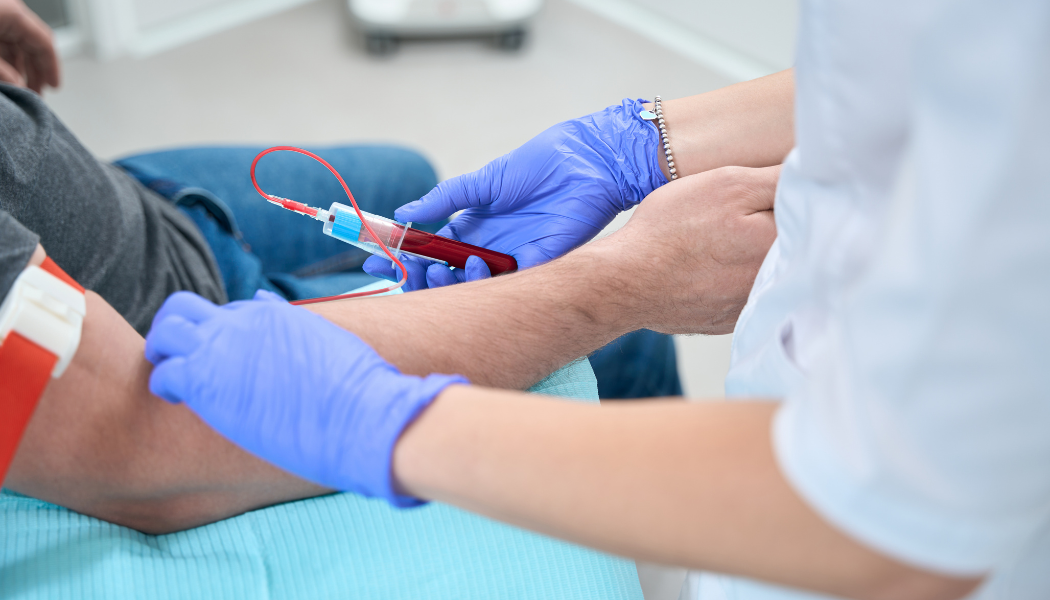
Dr Letizia Gulino Head of Science and Technology – RMDM The recent failure of the large-scale study evaluating the Galleri blood test represents an important inflection point after years of intense enthusiasm surrounding the concept of a single blood test capable of...
Jan 30, 2026 | News
Recent figures reported by the BBC show a welcome and important trend: cancer death rates in Scotland are declining. Over the past decade, the risk of dying from cancer has fallen by around 11%, reaching its lowest recorded level. At the same time, the data also tells...
Dec 10, 2025 | Insights, News
Dr. Johannes Coy has uncovered a biological master key: the TKTL1 gene, a molecular switch that governs how cells grow, repair, and protect themselves. His discovery reveals a remarkable dual mechanism. TKTL1 acts like the body’s “scissors,” cutting sugar into...
Nov 27, 2025 | Insights, News
Dr Letizia Gulino, PhD Head of Science and Technology The BBC’s newly published investigation exposes a system under severe strain: red-flag breast cancer patients in Northern Ireland waiting 8–10 weeks for assessment against a 14-day target, stage 2–4 cancers...
Oct 16, 2025 | Insights, News
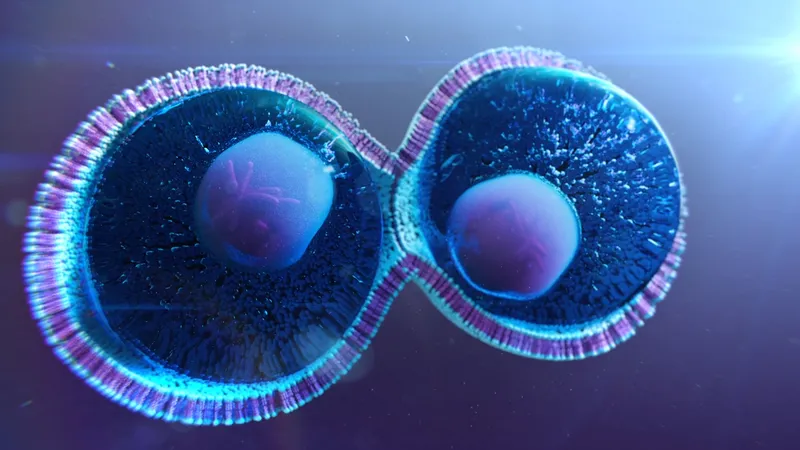
Recent research has revealed a remarkable link between how cells manage energy and nutrients and the timing of their division. At the center of this process is TKTL1, a key metabolic enzyme that functions as a sensor, monitoring the cell’s internal levels of...

Aug 19, 2025 | News, Diagnostics Activity
A recently published study in BMC Medicine provides strong, independent evidence supporting the clinical utility of the EDIM-based biomarkers Apo10 and TKTL1 for the early detection of cervical cancer. These are the same two biomarkers at the heart of RMDM’s PanTum...

Aug 15, 2025 | News, Diagnostics Activity
Preventative Care in the Middle East: A New Era Begins Preventative healthcare in the Middle East is undergoing a significant transformation. With chronic diseases on the rise and late-stage diagnoses still far too common, the introduction of innovative diagnostics,...
May 20, 2025 | News, Diagnostics Activity
Dr Letizia Gulino, Head of Science & Technology, RMDM Group In recent decades, medical science has made tremendous progress in the early detection of certain cancers. However, the current approach remains fragmented and selective: while screening programs exist...

May 9, 2025 | News, Diagnostics Activity
Sugar as Cellular Fuel and Cancer Detection Tool Sugar, particularly glucose, is essential for cellular energy—but in cancer, it plays a more complex role. Cancer cells are notorious for consuming glucose at unusually high rates to support rapid growth. This...

Apr 17, 2025 | News, Diagnostics Activity
A recent study published in JAMA Otolaryngology has uncovered a concerning link between the consumption of sugar-sweetened beverages (SSBs) and an increased risk of oral cavity cancer in women, including both smokers and non-smokers. The findings show that women who...

Mar 5, 2025 | News, Diagnostics Activity
The recent breakthrough in prostate cancer screening with the AI-powered test developed by EDX Medical Group represents a significant advancement in early cancer detection. By analysing more than 100 biological markers through blood and urine samples, this test could...
Jan 17, 2025 | News, Diagnostics Activity
We are witnessing a crucial moment for the NHS as it promises to reduce waiting lists and deliver timely care. This commitment resonates with patients and healthcare professionals. However, while the intentions behind these proposals are laudable, critical questions...

Nov 15, 2024 | News, Diagnostics Activity
Cancer is a major global health concern, but it’s typically associated with older age. However, in recent years, there has been a clear rise in younger individuals who have early-onset cancer. In this article, we will break down the findings of a study conducted in...

Oct 29, 2024 | News, Diagnostics Activity
In a recent press release, the UK government outlined an initiative to boost tech deals aimed at further innovating cancer diagnosis in the country. This plan follows the Darzi review, which highlighted the critical state of the NHS, particularly the urgent need to...
Sep 19, 2024 | News, Diagnostics Activity
In the House of Commons, Health Secretary Wes Streeting introduced a “national mission” to tackle key health challenges. Presenting the Darzi report, commissioned by the Labour government, he outlined the NHS’s ongoing struggles in the post-pandemic...

Aug 12, 2024 | News, Diagnostics Activity
Last month, the UK National Screening Committee (UK NSC) shared their updated view on Multi-Cancer Detection (MCD) tests. They highlighted the potential and the immediate need for a multi-cancer detection solution in the UK. They are working to outline a roadmap for...

Jul 3, 2024 | News, Diagnostics Activity
Historically, early detection has focused on routine screenings for only a handful of cancers, such as breast, colorectal, cervical, lung, and prostate cancers. However, these screenings are not always effective. Many cancers are still detected at later stages when...

Mar 8, 2024 | News, Diagnostics Activity
Last month the BBC revealed that “cancer waiting times for 2023 in England were the worst on record”. Only 64.1% of patients started treatment within 62 days of a cancer suspicion, meaning nearly 100,000 waited longer than they should for life-saving care. These...

Sep 26, 2023 | News
Cancer is a major global health concern, but it’s typically associated with older age. However, in recent years, there has been a clear rise in younger individuals who have early-onset cancer. In this article, we will break down the findings of a study conducted in...

Jul 17, 2023 | Diagnostics Activity, News
Breast cancer is the second leading cause of cancer-related deaths in women. Thanks to pioneering research and diagnostic tests, we are discovering solutions to detect breast cancer early on. The TKTL1 gene, in particular, represents an incredible leap in our...

Apr 18, 2023 | News
Ramadan is a holy month in the Islamic calendar that involves fasting from sunrise to sunset for 29-30 days. While the primary purpose of fasting is to practice self-discipline, it is also proven to have numerous health benefits. One of the most prominent health...

Dec 12, 2022 | News
Fossilized skulls and skeletons clearly show the physical similarities and differences between modern humans, and our ancestors, the Neanderthals. However, insights into a Neanderthal brain, and its intellectual capacity, have evaded researchers since soft tissue...

Aug 22, 2022 | News
We’re all familiar with the phrase, “you are what you eat.” We’re encouraged to follow a balanced diet, but sometimes it’s a struggle to cut through the noise of diet culture and marketing tricks. It’s often assumed that diet doesn’t affect the development of...

Aug 9, 2022 | News
A new performance study with 5,000 participants proves that the combination of blood tests and imaging is highly effective in detecting cancer early. The PanTum Detect test, alongside imaging methods such as PET/CT or MRI, can detect cancer and its precursors with...

Jul 6, 2022 | News
Thousands of people were checking bowel cancer symptoms online immediately following the death of Dame Deborah James. Last Tuesday, we lost one of the most influential fighters in cancer awareness. Diagnosed with stage 4 bowel cancer in 2016, Dame Deborah was a fierce...

May 17, 2022 | News
Approximately 4,807 new cancer cases were reported in 2020 in the UAE alone. As the cost of cancer diagnosis and treatment methods rises, The Department of Health (DOH) – Abu Dhabi strives to make cancer care affordable and accessible. The DOH – Abu Dhabi has recently...

Apr 11, 2022 | News
In our attempt to consume less sugar and eat healthier, we’ve relied on the supposed success of manufactured sweeteners. Over the years, various health risk claims have been associated with artificial sweeteners. But these claims haven’t been scientifically proven...
Mar 17, 2022 | News
How can we successfully and accurately detect prostate cancer? More than 10,000 men die from prostate cancer every year in the UK. It’s one of the most common cancers in men, yet we still don’t have a national screening program. The best test for prostate cancer...

Mar 8, 2022 | Events, News
Today is International Women’s Day – a celebration of equality and creating a better future. International Women’s Day was first celebrated in 1911 in Austria, Denmark, Germany, and Switzerland. March 8th became the designated day of celebration in 1917 during a...

Feb 23, 2022 | News
How will the NHS tackle the cancer backlog? New analysis from the House of Commons Library reveals half a million people with suspected cancer will be waiting longer than the usual two-week period to see an oncologist this year. The analysis predicts over 75,000...

Feb 3, 2022 | News, Events
Half of the world’s population do not have access to essential healthcare. Despite the incredible achievements in cancer diagnosis and treatment, many people struggle to receive basic cancer care. This year’s theme for World Cancer Day is ‘Close the Care Gap’. It’s...

Jan 19, 2022 | News
Cancer can be difficult to diagnose if the usual “red flags” and warning signs are not present in a patient. Early detection blood tests that are not reliant on cancer type are important to help change this. At RMDM, we are working hard to make early detection a...

Dec 22, 2021 | News
Exciting research for a new treatment to fight Covid-19 has been proven successful. If you contract the SARS-CoV-2 virus, this new treatment could stop the virus from growing. Prof. Cinatl, the discoverer of the first SARS-CoV virus, and his team found that the...
Dec 13, 2021 | Diagnostics Activity, News
Scientists may have found a solution to treat an aggressive, treatment-resistant type of breast cancer. A new study suggests it is possible to change an aggressive type of breast cancer into a non-aggressive type that responds well to common treatments. Scientists...

Dec 6, 2021 | News
Macmillian Cancer Support reports a “mountain of almost 50,000 people” are still missing a cancer diagnosis in the UK. As the NHS struggles to cope with overwhelming demand, Macmillian warns that the Government must take urgent action. New analysis shows that the NHS...

Nov 29, 2021 | News
Scientists discover microscopic nanotubes which allow cancer cells to attack the body’s immune system. Cancer grows stronger by evading the immune system. A new study sheds light on how cancer cells can debilitate the immune system and metastasise. New research...

Nov 22, 2021 | News
Around the world this month, men are relinquishing their razors and allowing their facial hair to flourish. Why? For November, a charity known as Movember raises funds and awareness for men’s health. From suicide prevention and mental health to prostate and testicular...

Nov 10, 2021 | News
New research has recently confirmed the HPV vaccine has saved hundreds of lives from cervical cancer. This research is the first-ever proof of the HPV vaccine as a successful programme to reduce cervical cancer rates in the UK. The study found that the rate of...

Nov 4, 2021 | News
This year the spotlight has been on clearing the cancer backlog. In June and July, things were starting to look up for the NHS. However, in recent months, cancer treatment services are struggling to keep up. The number of people receiving their first cancer treatment...

Oct 15, 2021 | News
The cancer backlog has been closely monitored over the course of the pandemic, but a new study has shown the numbers are still on the rise. Figures from Cancer Research UK show that more than 226,000 people in England are waiting more than six weeks for key cancer...
Sep 20, 2021 | News
This week, the NHS announced the exciting news of a trial for the Galleri blood test. We are so happy to hear the NHS is backing a blood test for the early detection of cancer. This opens the door to many more opportunities for pioneering technologies to be embraced...

Sep 13, 2021 | News
Prostate cancer is the most common cancer in men across the UK. Current statistics show that more than 47,500 men are diagnosed with prostate cancer every year – that’s 129 men every day. There aren’t any proven prevention strategies for prostate cancer, but...