
Cancer Blood Testing: A Crucial Follow-Up to Cancer Surgery
A cancer diagnosis can be devastating, but if detected early enough, it can be treatable. One of the treatment techniques that may be recommended is surgery to remove the cells that have been identified as cancerous. This can often be successful if the cancer is...
Cancer in the Developing World: The Need for New Technologies
While cancer is a global health problem, research shows that around 57% of cancer cases and 65% of cancer deaths worldwide occur in developing countries. Researchers are still trying to establish why the prevalence of cancer in low and middle income countries is...
WHO targets cervical cancer screening inequalities with new guidelines
A recent article published by the World Health Organization (WHO) states that of the 342,000 women estimated to die from cervical cancer every year, most are from the poorest countries in the world. Despite the successes of cervical cancer screening programs in first...
MEET: Ali Ghaidan, CEO and Founder of RMDM
This week healthcare copywriter, Dee Primett, interviews RMDM’s CEO and Founder, Ali Ghaidan. In this interview, Ali shares more about his background, the story behind RMDM, PanTum Detect and his visions for the future of the company. RMDM is a one-stop shop for...
Scotland’s £10 Million Investment to Improve Cancer Care
This week we are excited to share the news of an incredible commitment to early cancer detection by the Scottish Government. A £10 million fund has been granted to improve cancer waiting times. The fund will enable the NHS in Scotland to invest in staff skills, new...
COVID-19 Hits Breast Cancer Screenings
Breast cancer is the most common cancer in the UK, with around 12,000 women diagnosed with the condition every year. Unfortunately, this week an analysis of NHS England figures by Cancer Research UK has found that around 10,600 fewer women started treatment for breast...
Cervical Cancer and the Need For Less Invasive Screening
Did you know 14th – 20th June 2021 is cervical screening awareness week? Cervical screening, also known as a smear test, is used to check the health of the cervix. It’s also the primary method used of detecting abnormal cells early, before they develop into cancer....
Focus on Cancer Research: For Diagnosis and Treatment
In some parts of the world, May is National Cancer Research Month – a month dedicated to highlighting the importance of lifesaving research into the devastating group of diseases collectively called cancer. Cancer affects millions of people across the...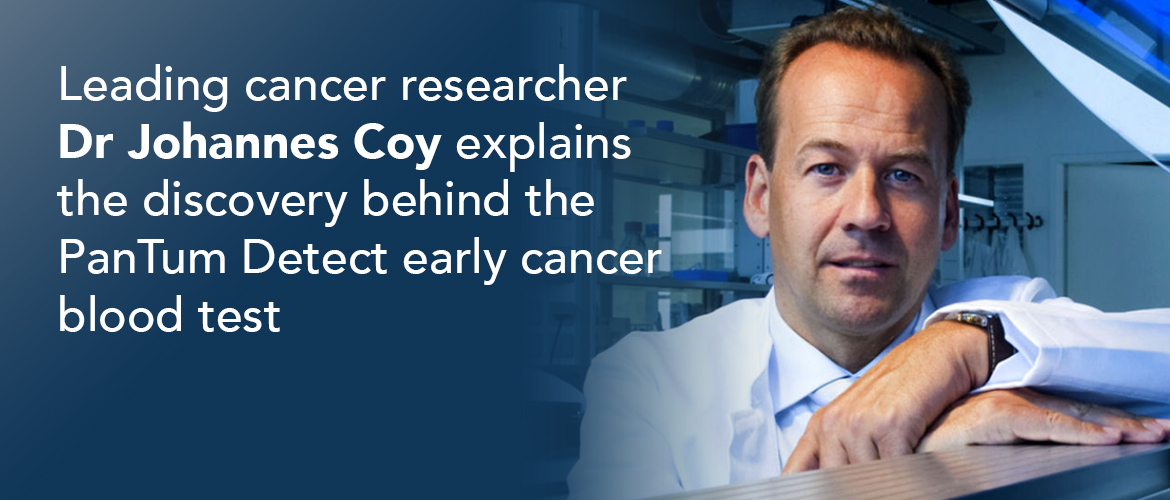
Dr Johannes Coy Q+A
Download the...
Growing Cancer Diagnoses in the Middle East
This week we were shocked by news of a new study in the Middle East. This study has found that young people across the UAE and Saudi Arabia are four times more likely to be diagnosed with cancer than their counterparts in the U.K and United States. We know that...
Liquid Biopsy: The Future of Cancer Diagnostics
The gold standard in cancer detection has always been tissue biopsy. But the procedure is invasive, time-consuming, and often painful or stressful for patients. More significantly, its efficacy is often limited: cancer cells may not be present in biopsied areas, and...
PanTum Detect: The solution to the COVID effect on Cancer?
‘The knock-on impact of the pandemic on cancer care cannot be overstated’. These are the words of Steven McIntosh, the executive director of advocacy and communications at Macmillan Cancer Support, reported in a shocking article in The Guardian last week. There’s no...
Ground-breaking cancer news from the UAE
Firstly, we’d like to wish a very blessed Ramadan to our friends and partners in the Middle East. Ramadan Mubarak. Secondly, we’re excited to share the news of a ground-breaking breast cancer treatment that lessens the negative effects of chemotherapy, now being...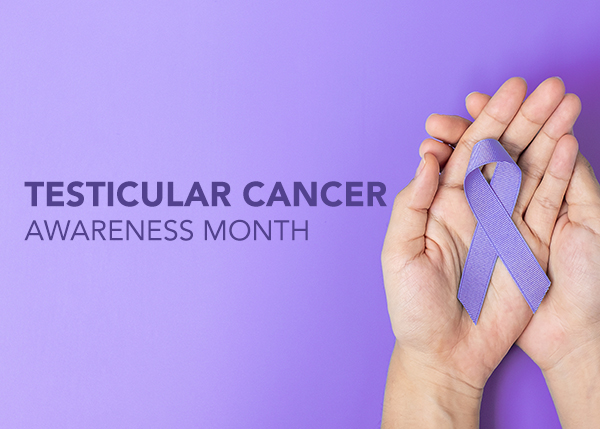
April is Testicular Cancer Awareness Month
This April is Testicular Cancer Awareness Month, and we would like to encourage all men to be able to identify the signs of the disease so that they feel confident to seek professional help if they need it. Testicular cancer isn’t particularly common. In fact, it...
Cancer in the news
Cancelled clinical trial forces fundraising, new AI system used to monitor Mesothelioma tumors and positive early result from clinical immunotherapy trials for brain cancer. Crowdfunding for cancer treatment after cancelled clinical trials Delays in cancer treatment...
World Health Day 2021
April 7th of each year marks World Health Day, and it’s safe to say that globally we have faced the greatest healthcare challenge this last year than any other in recent history. For most of us, the Covid-19 pandemic is like nothing we have ever experienced before,...
FAQ – PanTum Detect: The First Universal Cancer Blood Test
Patient Perspective: Frequently Asked Questions about PanTum Detect, The First Universal Cancer Early Detection Blood Test Welcome to the second part of our Frequently Asked Questions series. This week we have compiled a list of questions that we regularly receive...
The Science Behind the PanTum Detect Cancer Test
The Science Behind the PanTum Detect Cancer Test: Frequently Asked Questions A simple blood test for the early detection of all types of cancer may seem too good to be true, so unsurprisingly, we receive many questions asking us about the way in which our test, PanTum...
Cancer: The Hidden Cost of the COVID-19 Pandemic?
Cancer Research UK have joined 46 other cancer charities to create One Cancer Voice. Their aim is to speak out about the impact that the Covid-19 pandemic has had on cancer services, and to urge the UK Government and the NHS to take action to tackle the immense...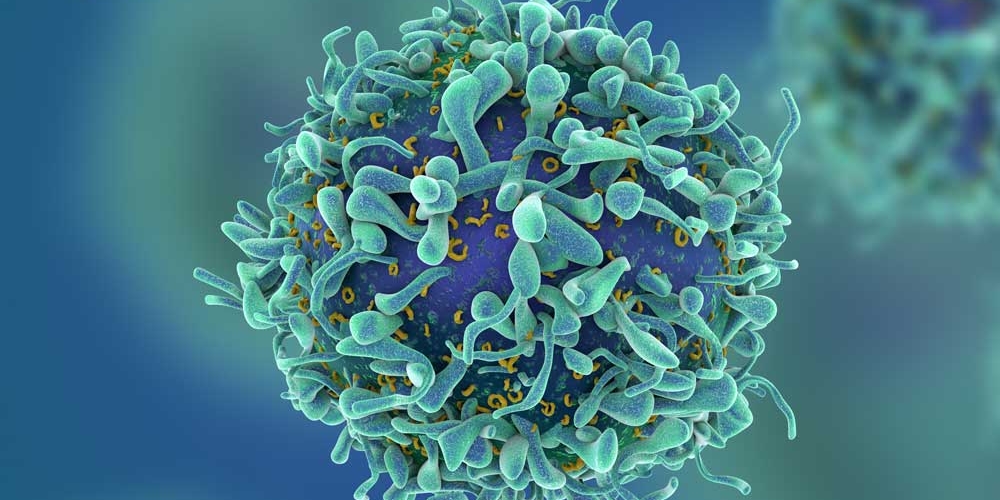
Biomarkers – Key Characteristics in the Early Detection of Cancer
Biomarkers – No, Not Eco-Friendly Pens But Key Characteristics in the Early Detection of Cancer Blood tests can tell doctors a great deal about your health. A PanTum Detect blood test can help tell your doctor if you have cancerous cells in your body. But how?...
Cancer in the News this Week
Innovative New Cancer Screening Technique and New Fears over Undiagnosed Breast Cancer Cases Pillcams for Cancer Detection Over the last few months, we have seen the NHS start to embrace all new cancer detection techniques and technologies. Diagnostic viewing inside...
Spreading Cancer Awareness on International Women’s Day
March 8th is International Women’s Day – celebrating the social, economic, cultural, and political achievements of women. The creators of International Women’s Day have six key missions, one of which is to help women make informed decisions about their health. At...
What do Pacman and Early Cancer Detection have in Common?
…More than you might think! The NHS’s Long Term Plan aims to save thousands more lives each year by improving the way that cancer is diagnosed and treated within the National Health Service. One of the ways in which they’ve said they intend to do this is through...
Time for Greater Progress in Early Detection
‘The NHS Long Term Plan has committed to an overhaul of screening programmes, new investment in state-of-the-art technology and a boost in research which will help more people survive cancer each year’. Yet many people feel that when it comes to cancer detection,...
World Cancer Day 2021 – It’s Time to Act
February 4th 2021 was World Cancer Day – a day focused on raising awareness of the disease and a stark reminder that we have a long way to go in the war against this disease. Although we may be in the middle of a global pandemic, we mustn’t lose sight of the fact that...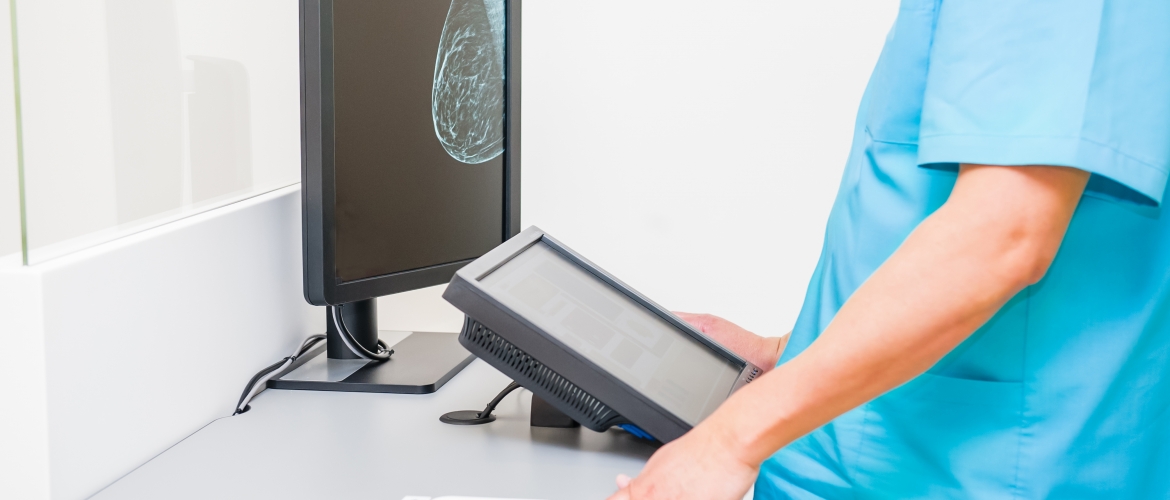
The Cost of Late Stage Cancer Detection
This month we have explored the effect that Covid-19 is having on cancer screening and diagnosis. However, there is also something else very important to consider, and that is the cost of late-stage cancer detection. We already know that many patients are delaying...
Royal College of General Practitioners 2021 Conference
RMDM are honoured and delighted to be presenting our leading-edge cancer screening and early detection technology at ‘A Fresh Approach to General Practice’ – a virtual conference organised by the Royal College of General Practitioners (GPs), taking place on 11th and...
Cervical Cancer Prevention Week 2021
18th – 24th January 2021 is Cervical Cancer Prevention Week – a week dedicated to raising awareness of cervical cancer and how people can reduce their risk of developing the disease. Cervical cancer may not be the most well-known or even the most common of cancers,...
Early Detection, Recovery Rates & Patient Outcomes
We may not be able to see it yet, but the impact of delays in early cancer detection techniques due to Covid-19 will have a direct impact on recovery rates and patient outcomes. With the NHS under immense pressure from the second wave of the pandemic, longer wait...
Cancer Vs Covid
Despite entering 2021 still fighting the coronavirus pandemic, the ongoing battle between Cancer and Covid-19 continues to rage behind the scenes, with Early Detection and treatment being delayed as the NHS struggles to cope with rising Covid-19 infection numbers and...
RMDM Group Appoints New Lead Advisor
RMDM Diagnostics appoints former NHS Confederation head as lead adviser for pan-cancer blood test. RMDM Diagnostics has appointed Mike Farrar CBE, former Chief Executive of the NHS Confederation, as lead adviser for its pan-cancer blood test, PanTum Detect. Mike will...
Kickstarting Improved Cancer Diagnosis
November was extremely busy for us here at RMDM Group, as we saw a significant increase in demand for people wanting to take our popular cancer blood test. We are very fortunate to be working with Centre For Health and Human Performance in ensuring that cancer...
Patient Journey of the PanTum Detect Cancer Test
A blood test that can accurately diagnose cancer at an early stage has long been the ‘holy grail’ of cancer diagnostics. Now, PanTum Detect is the blood test to offer non-invasive, reliable, and cost-effective cancer diagnosis – truly a revolution in cancer care!...
PanTum Detect Early Diagnosis
RMDM’s PanTum Detect Blood Test Offers Accurate Cancer Detection at the Critical Stage when Cancer is Most Treatable With cancer screening and diagnostic services across the world put on hold as a result of the COVID-19 pandemic, early and accurate cancer diagnosis is...
RMDM’s Recent Diagnostics Activity Update
First and foremost, on behalf of RMDM, we want to send our best wishes to you and your loved ones during these challenging times. The COVID-19 pandemic has been a dominant feature of our lives for a long time now, and it is important, for all of us, to reflect on what...
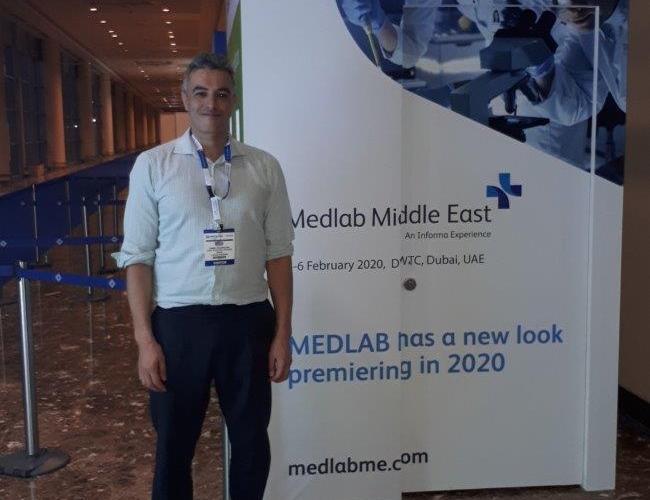
Medlab Middle East, 2020
RMDM is proud to have showcased and taken part in the Transformation Talks at Medlab Middle East at the beginning of February 2020, in Dubai. It was a great pleasure to meet all who attended our transformation talks and visited our Stand. Thank you Ahmed Bourghida for...
RMDM Group’s Feature in The Manufacturer
RMDM Group’s CEO and Founder; Ali Ghaidan shares with The Manufacturer, what the United Kingdom could learn from Germany’s dominance in health technology. “While the UK health tech scene is booming, there are valuable lessons to be learnt in the art of collaboration,...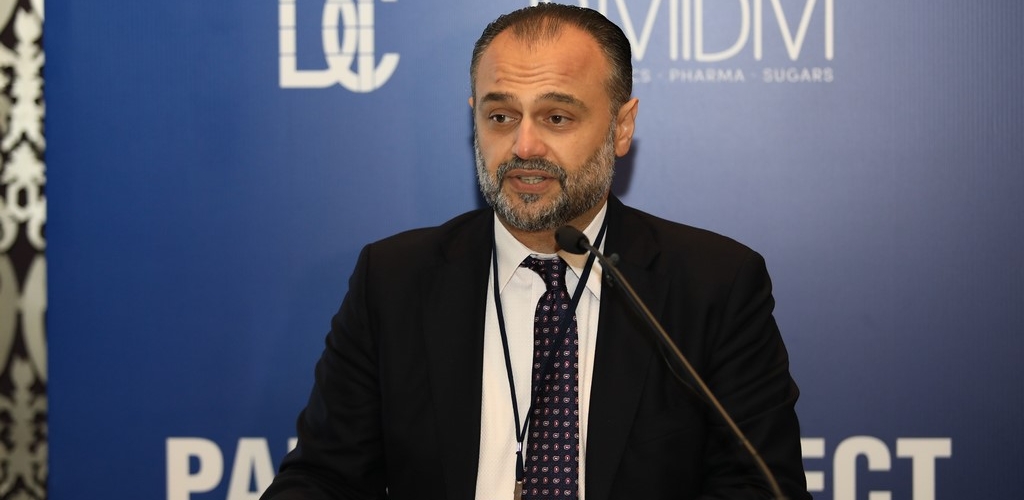
RMDM CEO Ali Ghaidan shares his Business Inspirations
Ali Ghaidan the CEO and Co-Founder of RMDM, a one-stop shop for cancer diagnostics, prevention and treatment shares his business inspirations with Business Aspects Magazine. He quotes: “Once I met Johannes and learnt more about his work as a biochemist, he introduced...
Economist War on Cancer, London
It was a great honour and pleasure to meet Princess Dina Mired, President of the Union for International Cancer Control (UICC), at The Economist War on Cancer event in London. We thoroughly enjoyed listening to her perspective on how NGOs, governments, public and...
RMDM Group Meets UK Health Secretary
It was an honour for the team at RMDM Group to meet the UK Health Secretary Matt Hancock at the Reception for Breakthrough Technologies this month. We are looking forward to working more closely with the NHS and making our pioneering diagnostics solution available to...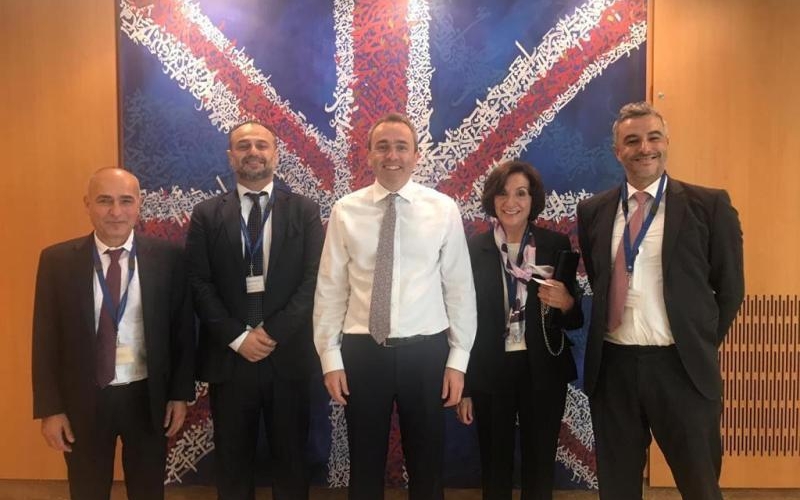
RMDM Attends 2019 UK Embassy in Beirut
It was a great honour for RMDM Group to meet with Her Majesty’s Ambassador Christopher Rampling MBE, at the UK Embassy in Beirut. On Behalf of RMDM we would like thank the UK Department of International Trade (UK DIT) for their support and organising this meeting. We...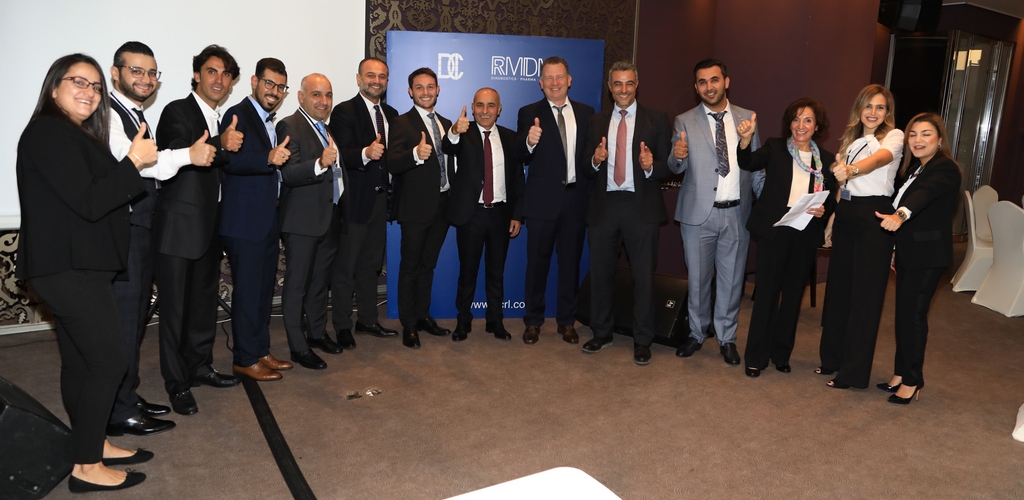
Doctors Centre Lab Launch in Lebanon
RMDM Launches PanTum Detect, the world’s first universal Cancer Blood Test with Doctors Centre Lab in Lebanon, at the InterContinental Phoenicia in Beirut. The reception was attended by 150 Doctors, oncologists, and other medical professionals as well as researchers...
RMDM Group Attend the Conservative Party Conference
It was great to have the opportunity to exhibit at the Conservative Party Conference September 2019. We want to say a big thanks to PLMR for helping to organise. It was a very useful and beneficial couple of days of raising awareness of different roles of technology....
Medlab Middle East, 2020
RMDM was honoured to be invited by His Excellency Dr Saad Jaber, Minister of Health of the Hashemite Kingdom of Jordan, to meet with him and his senior team. Early Detection is high on the Ministry’s agenda and Jordan is supportive of innovative technologies which can...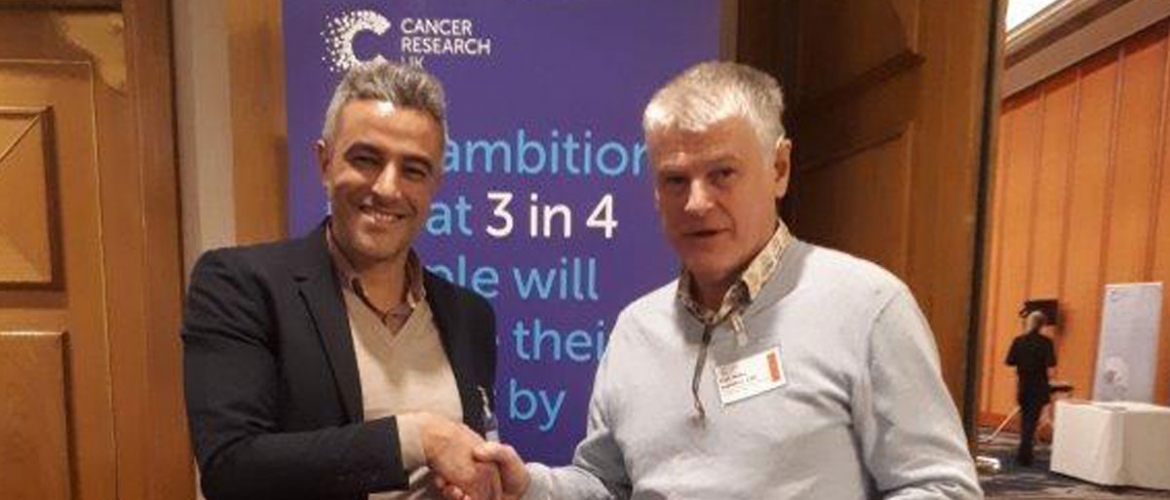
Early Diagnosis Research Conference 2019
It was an absolute pleasure to attend the 5th Biennial Early Diagnosis Conference in Birmingham from the 21-23 February 2019. Thank you so much Cancer Research UK (CRUK) for such a great event. It was a wonderful and important event for the future of Cancer Care in...